Why Gut Health For Acne Is Key to Skin Balance
Unlock Clear Skin: The Relationship Between Gut Health and Acne
The relationship between gut health and skin clarity is a complex one. Emerging research highlights how imbalances in gut bacteria can lead to increased inflammation, potentially exacerbating acne. This correlation points to gut health management as a key factor in attaining improved skin clarity. Understanding the mechanisms behind this link may open new avenues for effective acne management. Which concrete tactics can be applied to take advantage of this gut-skin axis for superior skin health?
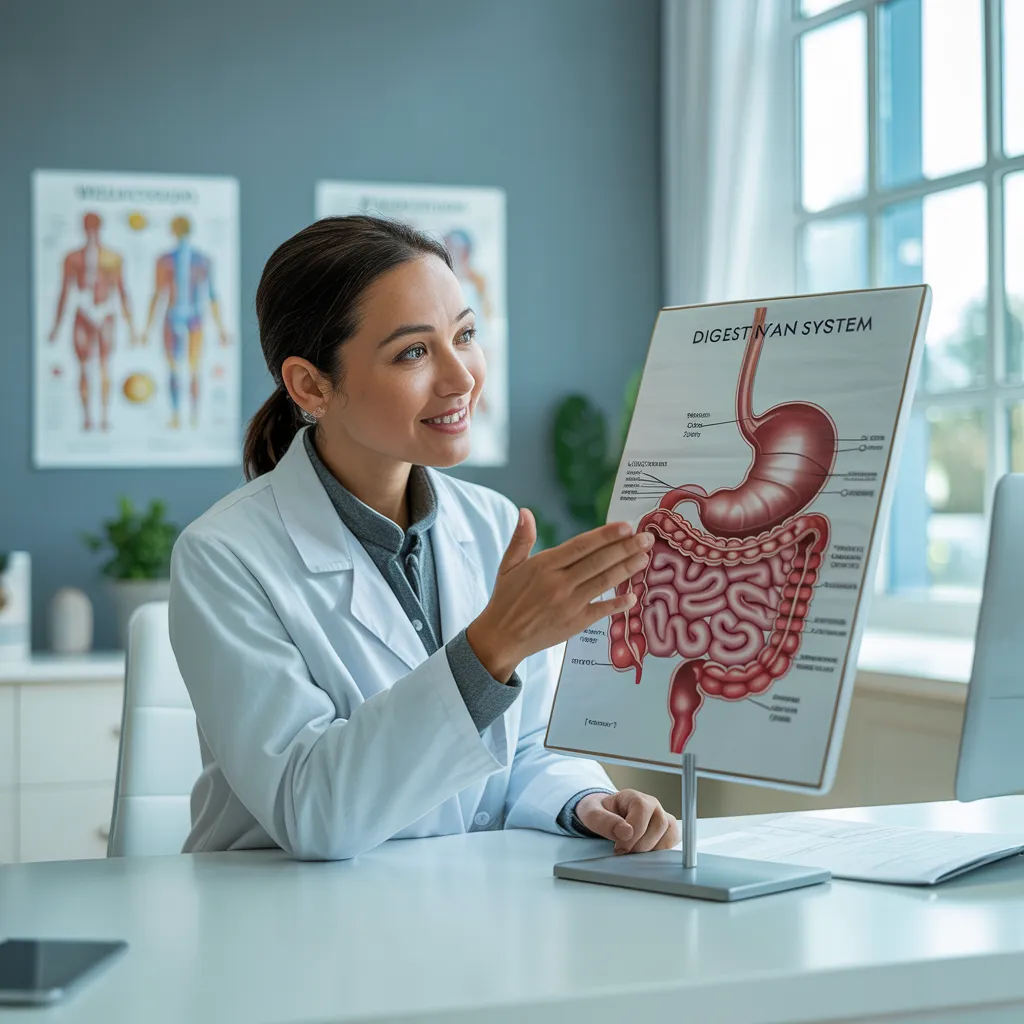
What Does the Gut-Skin Connection Mean?
In what ways does the gut impact skin health? The gut-skin connection is a intricate interplay involving the microbiome, inflammation, and nutrient absorption. The gut houses trillions of microorganisms that support overall health, including skin conditions. When the balance of gut bacteria is imbalanced, it can lead to systemic inflammation, which may manifest as skin issues. In addition, the gut plays a vital role in the absorption of essential nutrients, such as vitamins A, C, and E, which are essential for maintaining skin integrity. A healthy gut microbiome can strengthen skin barrier function and hydration, fostering a clear and radiant complexion. Understanding this connection is key for addressing diverse skin concerns and improving overall skin health through dietary and lifestyle changes.
What Is the Connection Between Gut Health and Acne Development?
While various elements contribute to the development of acne, new research reveals the important role of gut health in this process. The gut microbiome, which consists of trillions of microorganisms, regulates inflammation and immune responses. An imbalance in gut bacteria can result in dysbiosis, which has been connected to increased inflammation and skin issues, including acne. Furthermore, the gut plays an important role in nutrient absorption; deficiencies in important vitamins and minerals can aggravate skin conditions. Furthermore, the gut-brain-skin axis implies that stress and mental health, affected by gut health, may also influence acne. Thus, maintaining a balanced gut microbiome may be vital for lessening acne occurrences and promoting clear skin. Understanding this connection reveals new pathways for acne treatment strategies.
Best Dietary Choices for Intestinal Health and Healthy Skin
A nutritious diet abundant in certain foods can substantially boost gut health and promote clearer skin. Including a diverse range of fruits, vegetables, whole grains, and beneficial fats is crucial. Foods high in fiber, such as lentils, beans, and broccoli, promote healthy digestion and support beneficial gut bacteria. Fermented products like yogurt, kimchi, and sauerkraut likewise fulfill a key role, as they supply probiotics that improve gut flora harmony. Omega-3 fatty acids, available in foods like salmon and walnuts, diminish inflammation, which can benefit skin problems. Furthermore, antioxidants from berries and leafy greens fight oxidative stress, additionally promoting skin health. Collectively, these food options form a beneficial environment for both gut and skin health.
What Role Do Probiotics Play in Supporting Gut Health and Skin Clarity?
Probiotics play an essential role in maintaining gut health and promoting skin clarity by strengthening the balance of beneficial bacteria in the digestive system. These live microorganisms support the preservation of a healthy gut microbiome, which is essential for digestion and nutrient absorption. By reducing inflammation and stopping the overgrowth of harmful bacteria, probiotics serve to access now mitigate conditions that can result in skin issues, including acne. Moreover, they support the gut-skin axis, a connection where gut health directly influences skin condition. Regular consumption of probiotics can boost overall skin texture and hydration, fostering a clearer complexion. Consequently, adding probiotics into one's diet may substantially benefit both gut health and skin clarity.
How to Determine If Your Gut Health Requires Attention
What are the ways to identify if gut health requires focus? Numerous signs can reveal underlying gut complications. Recurring digestive distress, such as bloating, gas, or erratic bowel movements, frequently signals imbalances in gut flora. Unexplained fatigue or persistent skin conditions, including acne, can also suggest that the gut is not functioning at its best. Moreover, persons may face food intolerances or urges for sugar and processed products, which can more deeply disturb gut health. Mood swings, anxiety, or depression may correlate with gut imbalances due to the gut-brain connection. Observing these indicators is vital for determining when to obtain professional consultation, as early intervention can aid in recovering gut health and boosting overall health, including skin condition.
Practical Tips for Intestinal Health to Better Skin Clarity
Boosting gut health can have a positive effect on skin clarity. Adding probiotic foods, maintaining proper hydration, and reducing sugar intake are practical steps that can support both gut health and skin quality. These methods may help individuals obtain a clearer complexion by encouraging a balanced gut microbiome.
Incorporate More Probiotic-Rich Foods
Incorporating more probiotic foods into one's diet can greatly enhance gut health, which in turn may result in improved skin clarity. Probiotics, helpful microorganisms present in certain foods, help regulate the digestive microbiome, potentially reducing inflammation and improving digestion. Fermented foods such as yogurt, kefir, sauerkraut, kimchi, and miso are outstanding probiotic sources. These foods not only promote healthy gut bacteria but also aid in nutrient absorption, which is vital for skin wellness. Regular consumption of probiotics may help regulate hormonal balance and reduce the severity of acne outbreaks. For optimal outcomes, individuals should aim to include a variety of probiotic-rich foods in their daily meals, encouraging microbial diversity in the gut that can support improved skin clarity.
Stay Properly Hydrated Each Day
Though probiotic foods contribute importantly to improved gut health, hydration holds equal importance in sustaining clear skin. Taking in enough water throughout the day supports toxin removal from the body, contributing to enhanced skin clearness. Sufficient hydration facilitates digestion and the absorption of nutrients, making certain that vital vitamins and minerals access the skin properly. Additionally, water helps maintain skin elasticity and moisture, reducing the appearance of dryness and promoting a healthy glow. Targeting a minimum of eight daily water glasses can significantly enhance total skin wellness. Herbal teas and infused water with fruits can also enhance hydration levels while providing added antioxidants. Ultimately, staying hydrated is a simple yet essential step in achieving clearer, healthier skin.
Cut Down on Sugar Levels Usage
While many factors contribute to skin clarity, limiting sugar intake emerges as an essential step for enhancing gut health and attaining a clearer complexion. Consuming too much sugar can trigger inflammation and compromise the gut microbiome, worsening acne and other skin issues. By reducing sugary foods and beverages, individuals can aid in stabilizing their gut flora, which plays a critical role in skin health. Rather, emphasizing whole foods, such as fruits, vegetables, and whole grains, supports both gut and skin integrity. Additionally, incorporating probiotics, for example yogurt or fermented foods, can more effectively support gut health. Overall, implementing a low-sugar diet not only improves the gut but also facilitates improved skin clarity and overall well-being.
The Effects of Stress on Your Gut and Skin
Stress has the potential to severely affect both digestive wellness and skin health, generating a complex interplay that can worsen acne. When an individual experiences stress, the body generates cortisol, a hormone that can lead to increased oil production in the skin. This surplus oil, along with inflammation commonly triggered by stress, can cause clogged pores and the emergence of acne. Moreover, stress negatively affects gut microbiota balance, causing dysbiosis, which additionally impacts skin health. A healthy gut is essential for skin clarity, as it helps with detoxification and nutrient absorption. As a result, managing stress through approaches such as mindfulness, exercise, and a balanced diet can be vital for maintaining both gut health and clearer skin.
Questions & Answers
Is There a Link Between Food Intolerances, Gut Health, and Acne?
Indeed, acne can be influenced by food intolerances linked to gut health. When the gut is damaged, inflammatory responses may escalate, potentially resulting to skin concerns, including acne, as the body works to maintain balance.
How Long Does It Take to See Results From Gut Health Improvements?
Improvements in gut health can generally be seen within a period of four to six weeks. Nevertheless, results can differ among individuals based on factors encompassing diet, lifestyle, and baseline health factors impacting the digestive system.
Do Specific Supplements Exist to Improve Gut Health for Clearer Skin?
To enhance gut health, probiotics, prebiotics, and omega-3 fatty acids are often recommended as supplements. Supporting digestion and reducing inflammation, these nutrients can potentially lead to improved overall well-being and clearer skin.
Does Hydration Level Affect Both Gut Health and Skin Appearance?
Water consumption levels considerably influence both digestive health and complexion. Proper hydration promotes optimal digestive function and epidermal resilience, while dehydration can aggravate conditions such as dry skin, swelling, and acne, causing diminished overall wellness.
Is It Possible for Stress Management Methods to Enhance Gut Health and Decrease Acne?
Research shows that stress management techniques can positively influence gut health, potentially resulting in improved skin conditions such as acne. By decreasing stress, individuals may improve their overall well-being and support clearer skin.