Peptides: Comprehensive Peptide Resource for Students
Reach Optimal Wellness By Peptide Treatments: Best Products and Rewards
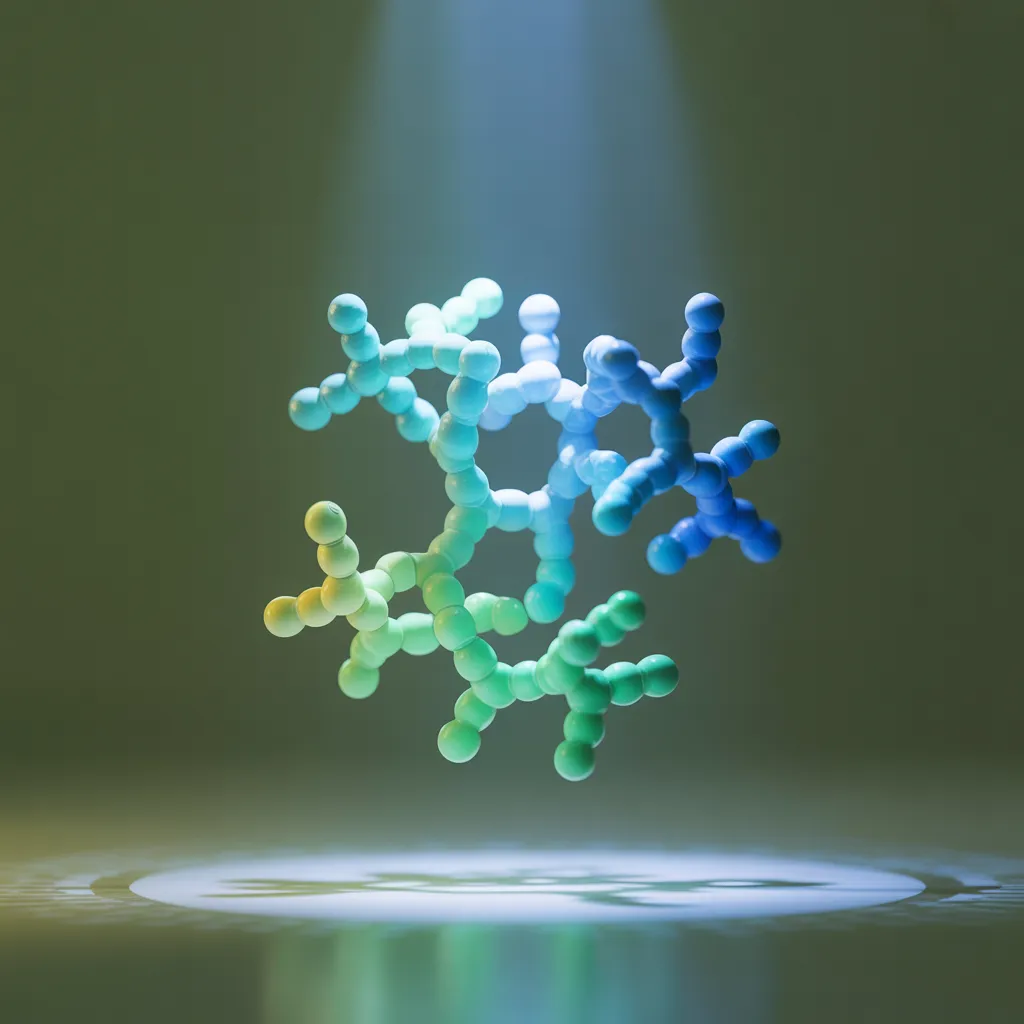
Peptides are gaining increasing attention for their multiple health benefits. These active compounds serve critical functions in numerous bodily functions, extending professional tips from enhancing immune responses to aiding muscular recuperation. Recognized products such as Thymosin Alpha-1 and Growth Hormone-Releasing Peptides demonstrate their capabilities. Learning to properly integrate these into a health regimen can be transformative. Yet, many question which specific peptides will optimally serve their individual health aspirations. The answers may astonish you.
Understanding Peptides and How They Work?
Peptides, often called the basic components of proteins, are brief sequences of amino acids linked by peptide bonds. These molecules play a significant role in multiple physiological functions, serving as signaling agents that influence cellular functions. Composed of 2 to 50 amino acids, peptides differ in their composition and configuration, which result in their varied functions in the body.
When discharged, peptides bind to particular binding sites on cell surfaces, triggering a chain of biochemical reactions. This interaction can modulate processes such as hormone release, immunological reactions, and metabolic processes.
Peptides naturally exist in the body but can also be synthesized in laboratories for therapeutic applications. Their small molecular size allows for easier absorption and quicker response compared to larger proteins. Understanding the how peptides function provides perspective into their potential applications in health and medicine.
Vital Health Benefits of Peptides
While many may not understand it, the wellness advantages pertaining to peptides extend far beyond their role as mere protein components. These short sequences of amino acids play a pivotal role in various physiological processes, considerably influencing overall wellness. Peptides are known for their ability to boost immune function, improve skin health, and encourage better sleep quality. They also display inflammation-reducing characteristics, which can help alleviate chronic conditions.
Additionally, peptides can work to regulate hormones, such as insulin, accordingly promoting metabolic health. This controlling action can enable improved energy levels and weight management. Moreover, certain biological molecules are recognized for their potential in promoting cognitive function, supporting brain health, and boosting mood.
Discovering Protein fragment Rewards for Muscle Growth and Recuperation
Muscle growth and healing are profoundly influenced by the unique attributes of peptides. These chains of amino acids fulfill an essential function in boosting the body's organic processes. Certain peptides, like growth hormone-releasing peptides (GHRPs), spark the release of growth hormone, which is crucial for muscle expansion and repair. By promoting protein synthesis, these peptides aid in building lean muscle mass and improving overall strength.
In addition, peptides can boost recovery by reducing inflammation and muscle soreness post-exercise. For example, collagen peptides aid tendon and ligament health, ensuring that the body can handle the demands of intense training. Furthermore, certain peptides have been shown to boost endurance and stamina, allowing athletes to excel at higher levels for extended periods. Overall, including peptides into a fitness regimen can significantly boost muscle growth and recovery, making them a useful tool for those seeking ideal performance.
Premium Peptide Choices for Immunity Fortification
Immune support is progressively being addressed through advanced peptide compounds designed to boost the body's defense mechanisms. Among the prominent options is Thymosin Alpha-1, a peptide known for its ability to encourage T-cell production, thereby improving immune response. Another significant product is BPC-157, which has shown promise in modulating inflammation and enhancing tissue healing, potentially facilitating overall immune function.
Additionally, LL-37, an antimicrobial peptide, plays an critical role in the body’s resistance against pathogens by enhancing the immune response and promoting wound healing. Further, the peptide Epitalon is noted for its potential anti-aging properties, which may indirectly help immune health by increasing cellular regeneration.
These peptide supplements embody a expanding division in the health sector, presenting strategic support for immune performance while highlighting the versatility and efficacy of peptide materials in bolstering overall well-being.
What Role Do Peptides Have in Boosting Your Skin Wellness?
Peptides are receiving recognition globally not only for their function in immune support but also for their significant benefits in skin health. These short amino acid chains play a crucial role in boosting collagen production, which is key for maintaining skin elasticity and minimizing the appearance of fine lines and wrinkles. By improving the skin barrier function, peptides help retain moisture, supporting a plump and hydrated appearance.
Additionally, specific peptides possess anti-inflammatory properties that can soothe sensitive skin and lower redness. They may also aid in wound healing and improve overall skin tone. Some peptides, such as signal peptides, work with skin cells to encourage restoration and recovery, further increasing skin luminosity. With their multifaceted approach, peptides offer a powerful solution for individuals seeking to enhance their skin vitality and achieve a more youthful complexion. The inclusion of peptides into skincare routines signifies a promising advancement in dermatological science.
Finding the Perfect Peptide Items for Your Particular Requirements
When choosing the best peptide solutions for individual skincare needs, it is essential to assess particular skin concerns and desired outcomes. Different peptides target various issues, such as fine lines, elasticity, or pigmentation. For example, Matrixyl is known for its anti-aging benefits, while Argireline can reduce the look of wrinkles.
You should also consider the formula and strength of peptides in the product. Higher concentrations may produce more visible outcomes, but they should be balanced with other ingredients to avoid irritation. Furthermore, checking customer testimonials can provide insight into product performance and potential side effects.
Finally, it is crucial to verify that the peptide products are compatible with the individual's overall skin care regimen. Speaking with a dermatologist may also offer personalized recommendations tailored to specific skin types and concerns, ensuring the chosen peptides deliver maximum benefits for the individual's unique skin health journey.
Integrate Peptides Into Your Wellness Routine: Best Practices
Incorporating peptides into a health regimen can enhance their therapeutic effects, converting skincare into a holistic approach to health. To begin, people should assess their specific health goals, whether related to skin rejuvenation, muscle recovery, or overall well-being. Selecting the right peptide products is crucial; options like collagen peptides for skin elasticity or BPC-157 for recovery can be effective.
Utilizing peptides within your daily routines becomes possible through various methods, including cream applications, oral supplements, or injections, dictated by the peptide classification and sought-after effects. Remaining consistent is indispensable; persistent use maximizes their potency rate. Pairing peptides with a nutrient-rich diet, sufficient hydration, and restorative sleep can substantially amplify results.
Conclusively, liaising with healthcare authorities secures personalized recommendations and sound usage, markedly when considering injectable peptides. By following these best practices, people can effectively mobilize the supremacy of peptides to strengthen their wellness journeys.
Often Asked Queries
Are Peptides Safe for Long-Term Application?
Peptides tend to be safe for extended periods of use, although individual responses vary. It's imperative to speak with medical experts for personalized guidance and monitoring, as possible adverse effects and interactions may arise over extended timeframes.
Can Peptides Communicate With Drugs?
Peptides might interact with medications, potentially modifying their effectiveness or producing adverse reactions. It is vital for individuals to consult healthcare professionals before blending peptides with any prescribed treatments to ensure safety and efficacy.
What Undesired Effects Can Result From Peptide Use?
Peptide use can lead to adverse reactions such as injection site irritation, gastrointestinal disturbances, fatigue, and potential hormonal disruptions. Users should consult medical experts to reduce dangers and guarantee safe usage while watching for negative effects.
How do I verify if Peptides are being effective?
The efficacy of peptides can be assessed through improvements in particular health indicators, physical performance, and general wellness. Speaking with medical experts and monitoring progress over time assists in identifying personal reactions to peptide treatments.
Are Peptide substances Ideal for Everyone?
Peptides are not appropriate for everyone. Personal health conditions, allergies, and potential reactions with medications can influence their effectiveness and safety. Speaking with a healthcare professional is crucial to determine appropriateness for specific individuals.